Panel Repair vs. Panel Replacement: The 5-Point Checklist Electricians Use to Decide
Your breaker tripped again. You reset it, the lights came back on, and you told yourself you would deal with it later. A week passes. Then it happens again, and this time you notice the panel box feels slightly warm when you press your hand against it. Now there's a faint smell near the utility room that wasn't there before. You're not dealing with a minor inconvenience anymore, and somewhere in the back of your mind you know it.
The question most Chicago homeowners land on at this point is a reasonable one: does this panel need a repair, or does the whole thing need to come out? It sounds like a simple question, but the answer depends on five specific factors that most homeowners have no way to evaluate on their own. Get the call wrong in one direction, and you spend money on a full replacement that a single breaker swap would have resolved. Get it wrong in the other direction and you patch a panel that was already operating outside safe limits, which buys you a few months before something far more serious happens. We have walked through this exact decision on hundreds of service calls across the Chicago area, and the checklist below is what we use every time to cut through the noise and land on the right answer.
Check 1: Panel Age and Manufacturer
The age of your panel is the first number to establish. Panels installed before 1990 have a significantly higher chance of containing components that are no longer code-compliant or that have reached the end of their functional lifespan. A panel that's 25 to 30 years old isn't automatically due for replacement, but it shifts the outcome heavily in that direction when combined with any of the other four factors.
Beyond age, manufacturer matters. Certain panel brands produced through the 1970s and 1980s have documented failure rates that make repair a short-term fix at best. If your panel carries one of those brands, no breaker swap corrects the underlying problem with the bus bar design.
Chicago homes built between 1950 and 1975 frequently contain original panels that have never been upgraded. In older North Side neighborhoods and many southwest suburbs, we find panels patched with aftermarket breakers that don't match the original manufacturer spec, which compounds the age risk significantly.
TIP: Pull the panel cover off (do not touch any wiring) and photograph the manufacturer label. Search that brand name along with "recall" or "fire hazard." This takes five minutes and tells you whether repair is even on the table..
Check 2: The Nature of the Fault
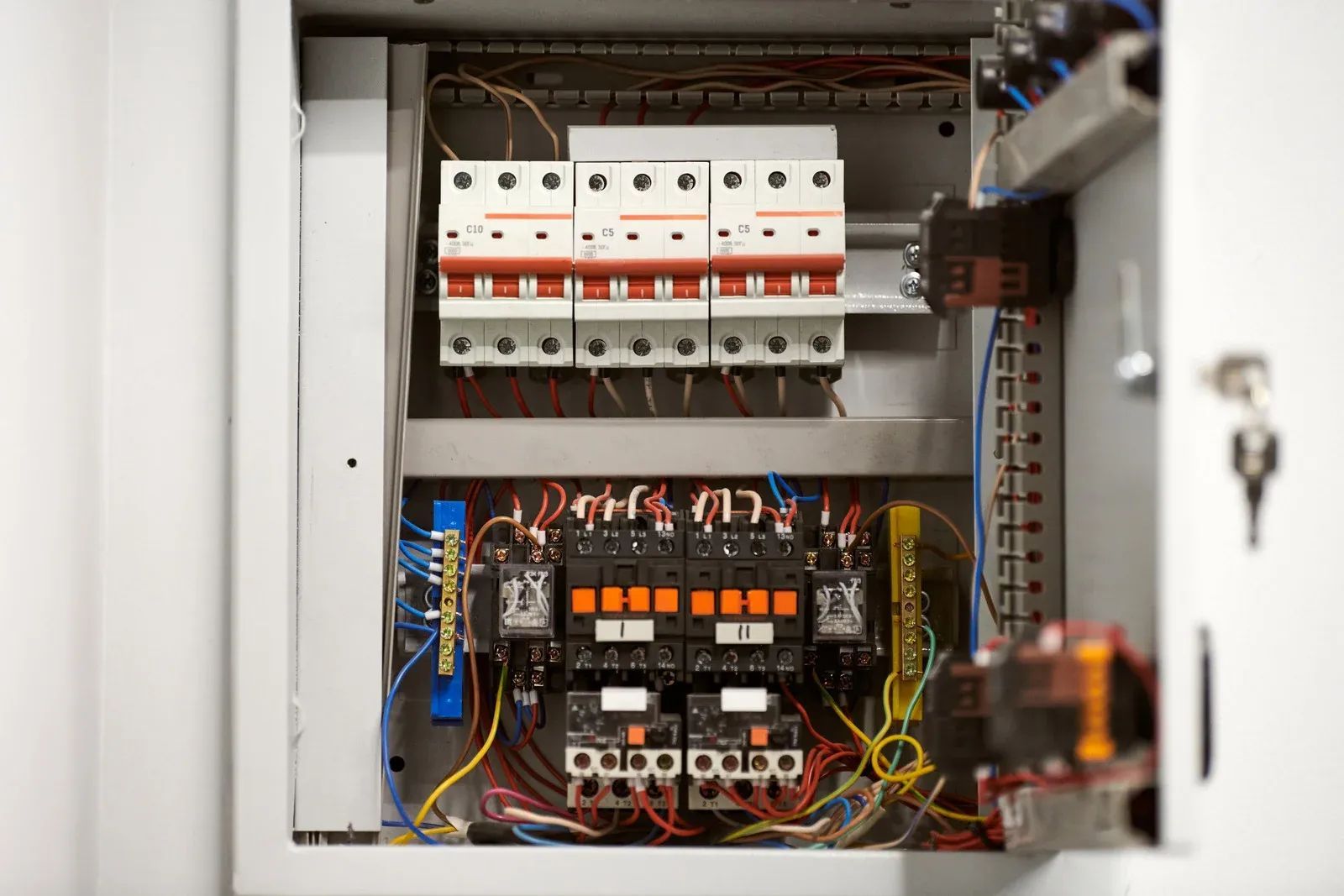
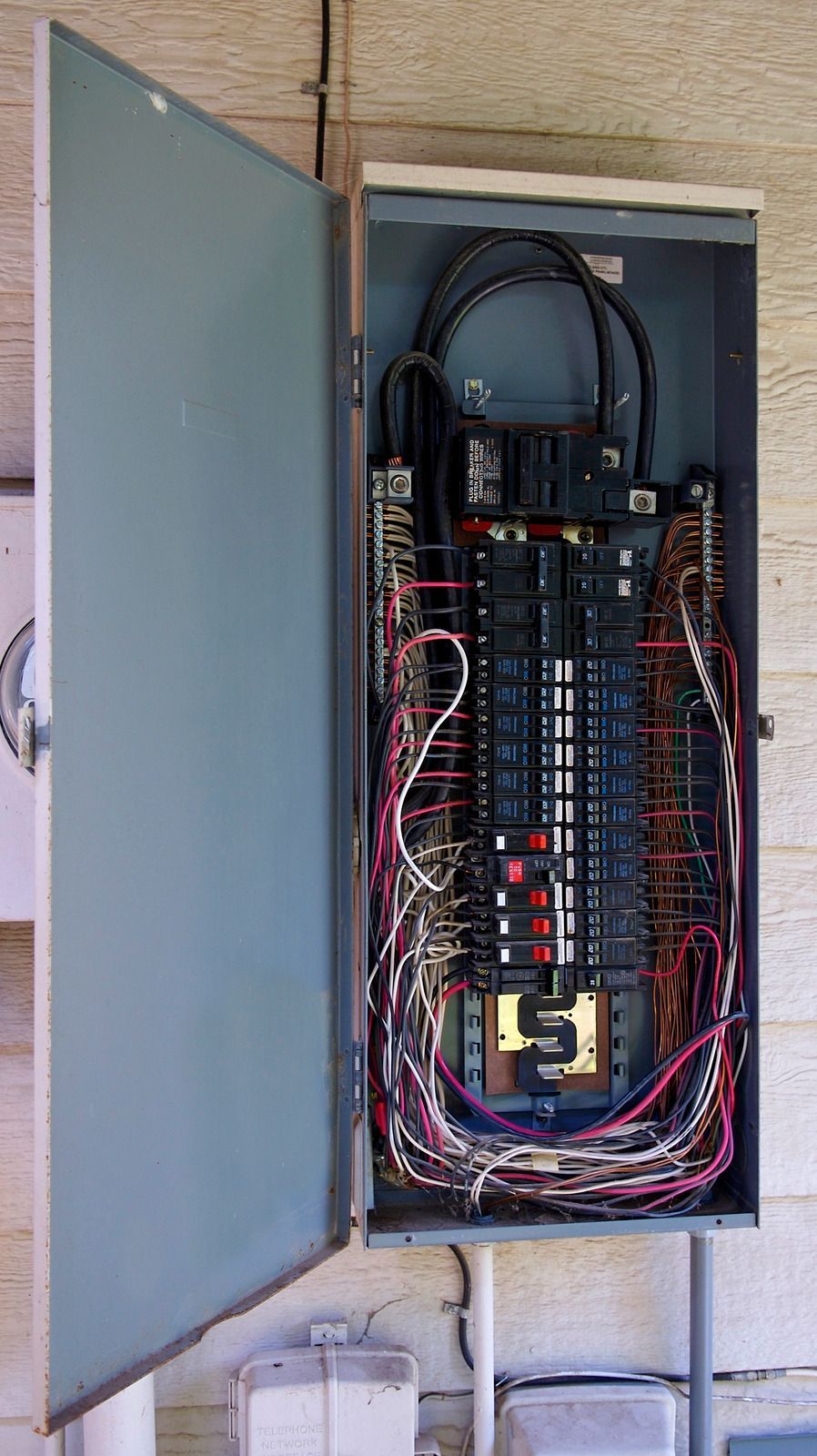
Not every panel problem carries the same weight. A single breaker tripping under load is a very different situation from a main breaker running hot, a neutral bus bar showing scorch marks, or a ground wire that has separated from its lug. The fault type determines whether a targeted repair is appropriate or whether the damage has already spread beyond what one fix can address.
| What You're Seeing | Most Likely Cause | Severity | First Step |
|---|---|---|---|
| One breaker trips repeatedly under the same load | Overloaded or failing breaker | Low to Medium | Replace the individual breaker |
| Multiple breakers trip for no clear reason | Failing main breaker or loose bus connection | High | Schedule a full panel inspection |
| Burning smell near the panel | Arcing at a breaker lug or bus bar | High | Turn off main and call a professional |
| Panel feels warm to the touch | Loose connection or overloaded neutral | High | Do not use panel until inspected |
| Lights flicker throughout the house | Loose service entrance or failing main | High | Inspect service entrance connections first |
| Breaker won't reset after tripping | Failed breaker mechanism | Low | Replace the individual breaker |
| Rust or corrosion inside the panel | Moisture intrusion | Medium to High | Identify moisture source before any repair |
| Scorch marks on bus bar | Arcing event has already occurred | High | Full panel inspection before any repair |
A fault contained to one breaker almost always points to repair. A fault that has reached the bus bar, the main breaker, or the service entrance is a replacement conversation.
WARNING: If your panel is producing a buzzing or humming sound at normal household load, this is not a minor noise issue. Buzzing inside a panel indicates arcing or a loose connection generating heat. Turn off non-essential loads and call a licensed electrician the same day.
Check 3: Capacity vs. Current Demand
A panel sized for your home in 1988 was designed for far fewer electrical loads than your home runs today. The average home in 1990 drew around 100 amps at peak demand. A similarly sized home today, with an EV charger, multi-zone HVAC, an induction range, and smart home systems running simultaneously, can push well past that threshold on a routine evening.
If your panel is running at 80 percent or more of its rated capacity with no room to add circuits, that's a replacement conversation even when nothing is currently broken.
Check 4: Prior Repair History
Three or more breaker replacements over a five year period signals a systemic issue rather than isolated component failure. Breakers don't fail at that rate unless the panel is being subjected to chronic overloads, the bus bar connection quality is degrading, or the original panel was undersized for the load.
Repeated failure of the same circuit points to a load or wiring problem downstream. Failure across multiple unrelated circuits points to the panel itself. Only the second pattern justifies replacement on repair history grounds alone.
Check 5: Chicago-Specific Conditions
Chicago's climate puts electrical panels through stress that dry-climate markets don't see. Panels in unfinished basements or attached garages face freeze and thaw cycles that create micro-movement in connection points over time. A lug torqued to spec at installation can work itself loose over a decade of thermal cycling, turning that connection into a heat source every time current passes through it.
Humidity is the second local factor. Chicago summers bring sustained high humidity that causes surface corrosion on bus bars and breaker contacts in basement panels. We find this most often in homes along the lakefront and in low-lying neighborhoods where groundwater keeps basement conditions persistently damp. Surface corrosion increases resistance at connection points, which generates heat over time and accelerates component wear.
Trusted Local Electricians for Every Panel Repair Decision
The repair versus replacement decision is never about the panel in isolation. It depends on age, fault type, load history, repair history, and the environmental conditions the panel has been operating in. A panel that scores against two or more of the five checklist points is almost always a replacement conversation. Chicago's winters and humidity make this more time-sensitive than in other markets. A loose connection that generates moderate heat in a dry climate becomes a higher-risk situation in a damp Chicago basement where corrosion is already at work. Chicago, Illinois, United States
has served residential and commercial customers across Chicago, Illinois, for 15
years. Our licensed electricians carry out panel inspections, breaker replacements, and full panel upgrades across all service areas.
Frequently Asked Questions
How do I know if my electrical panel is dangerous right now?
Four signs indicate an immediately dangerous panel: a burning or metallic smell near the box, visible scorch marks on the interior, a panel that is warm or hot on the outside, and a buzzing or crackling sound at normal household load. Any one of these symptoms means stop using high-draw appliances and call a licensed electrician before the end of the day.
Can I replace just one bad breaker instead of the whole panel?
In many situations, yes. A single failing breaker can be replaced without touching the rest of the panel, provided the bus bar it connects to is in good condition and the panel brand is not one with a documented failure history. The repair makes sense when the fault is isolated, the panel is under 20 years old, and the replacement breaker is a manufacturer-approved match for your specific panel model.
How long does a panel replacement take in Chicago?
A standard residential panel replacement takes 6 to 8 hours for a licensed electrician working on a home with a 200-amp service. Jobs involving a service upgrade from 100 to 200 amps, or homes with older wiring requiring remediation at the same time, can run 8 to 12 hours. Plan for a full day without power. City permit and inspection scheduling can add 3 to 5 business days to the overall timeline.
What is the lifespan of a repaired panel versus a new one?
A correctly installed replacement breaker in a sound panel carries a lifespan of 15 to 25 years. A new panel installed correctly carries 25 to 40 years. If your current panel is already 20 or more years old, the math typically favors replacement. Repairing an aging panel may extend its life by only 5 to 8 years before the next major fault, which erases most of the savings versus replacing it now.
Does Chicago weather affect how often panels need service?
Yes, more than most homeowners expect. The freeze and thaw cycles Chicago panels experience from November through March create cumulative stress on internal connection points that panels in warmer climates don't face. We see roughly 20 to 30 percent more loose connection faults in panels installed in unheated spaces here compared to climate-controlled utility rooms. Annual inspections matter more in Chicago than in stable-climate markets.