That Burning Smell Near Your Breaker Box? Here's What's Actually Happening Inside the Panel
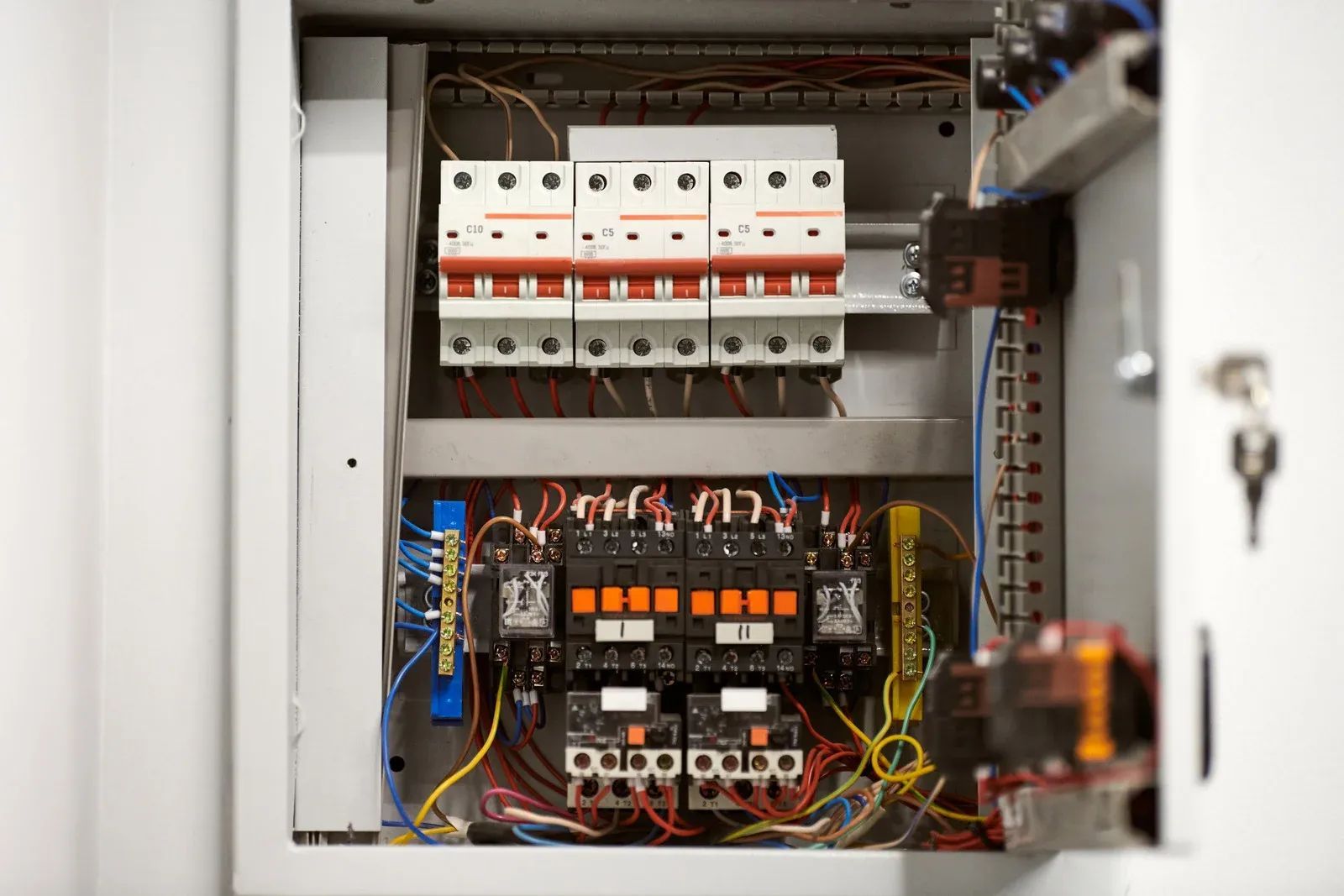
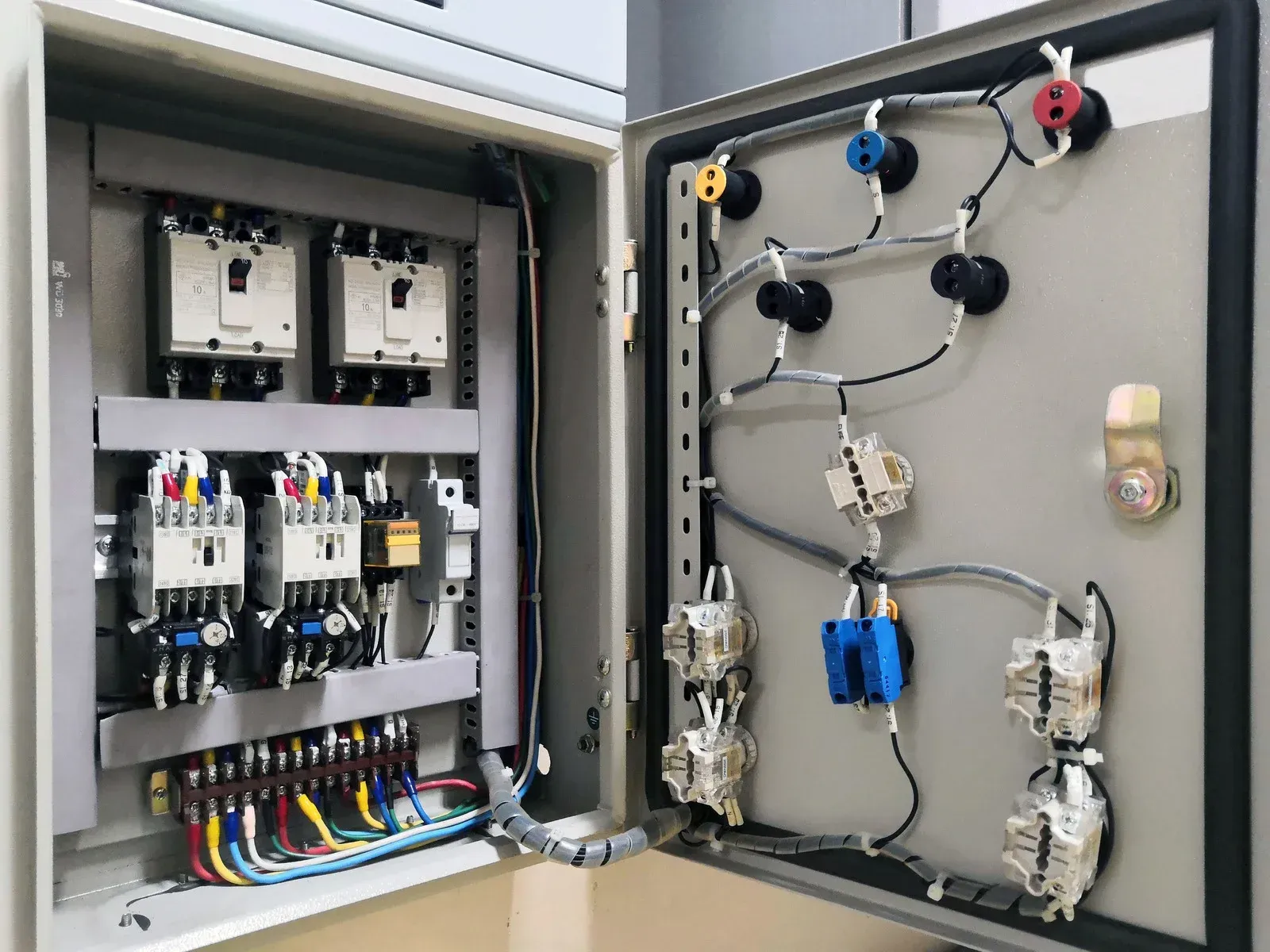
A burning smell coming from your breaker box is never something to ignore. Many homeowners first notice a faint odor near the electrical panel, often described as melting plastic, burning rubber, or overheated wires. While some electrical issues develop slowly over time, others can escalate within hours and create serious safety risks inside the home. Breaker panels are designed to distribute electricity safely throughout the property, but when components inside the panel begin to fail, heat starts building behind the cover where problems remain hidden from view. What seems like a minor smell can actually signal damaged breakers, overloaded circuits, loose wiring connections, or deteriorating electrical components that require immediate professional attention.
Electrical systems experience wear as homes age, appliances demand more power, and outdated panels struggle to support modern energy usage. Many property owners do not realize that a burning odor often appears before visible damage becomes obvious. This early warning sign gives homeowners an opportunity to prevent electrical fires, equipment failure, and expensive repairs. Understanding what causes these odors, what happens inside the panel during electrical failure, and how licensed electricians diagnose these problems helps homeowners respond quickly and protect both their property and personal safety before the situation becomes far more dangerous.
Why Breaker Boxes Start Producing Burning Smells
Heat Buildup Inside Electrical Components
Breaker boxes contain multiple electrical connections that constantly carry current throughout the home. When one of those connections becomes loose, damaged, or overloaded, electrical resistance increases. Higher resistance generates heat, and that heat begins affecting nearby wires, breakers, insulation, and bus bars inside the panel. Over time, the temperature rises enough to create the burning odor many homeowners notice near the electrical panel.
This problem often develops gradually. A slightly loose connection may function for months before overheating becomes severe enough to produce noticeable smells. During this period, wires can begin melting internally while still appearing normal from the outside. This hidden damage makes electrical panel issues especially dangerous because homeowners may not realize the severity of the problem until smoke, sparks, or power failures occur.
Overloaded Circuits and Modern Energy Demand
Many older homes were not designed for modern electrical consumption. Large televisions, HVAC systems, kitchen appliances, gaming systems, electric vehicle chargers, and home office equipment place significant strain on outdated electrical panels. When circuits repeatedly carry more power than intended, breakers and wiring begin overheating.
Repeated overloading weakens internal breaker components and accelerates wear throughout the panel. In some cases, breakers stop tripping properly because internal mechanisms become damaged from constant stress. Instead of shutting power off during unsafe conditions, compromised breakers continue allowing dangerous heat buildup inside the electrical system.
Signs That Overheating Is Already Occurring
Homeowners often notice additional warning signs before major electrical failure develops. These symptoms may include:
- Warm breaker panel covers
- Flickering lights
- Buzzing or crackling sounds
- Frequently tripped breakers
- Discolored outlets
- Burning plastic odors
- Appliances losing power unexpectedly
Ignoring these warning signs allows the damage to spread deeper into the electrical system. Fast action reduces both repair costs and safety risks.
What's Actually Happening Inside the Electrical Panel
Loose Connections Create Electrical Arcing
One of the most dangerous causes of burning smells inside breaker boxes is electrical arcing. Arcing occurs when electricity jumps through air gaps between loose or damaged electrical connections. This process generates extreme heat that can quickly melt insulation, damage breakers, and ignite surrounding materials.
Inside the panel, arcing may happen at breaker terminals, neutral bars, grounding connections, or main service lugs. The heat produced during arcing often exceeds temperatures that electrical components are designed to withstand. As insulation burns and wiring deteriorates, the odor becomes stronger and more noticeable throughout the surrounding area.
Electrical arcing also damages metal surfaces inside the panel. Burn marks, corrosion, and pitting begin forming on conductors and bus bars, reducing conductivity and creating even more heat. This cycle continues worsening until repairs are completed.
Breakers Can Fail Internally
Circuit breakers are safety devices designed to interrupt electrical flow when dangerous conditions occur. However, breakers themselves can wear out over time. Internal springs, contacts, and trip mechanisms deteriorate after years of repeated use and heat exposure.
When breakers fail internally, they may no longer regulate electrical flow properly. Instead of disconnecting power during overload conditions, damaged breakers continue carrying current while generating dangerous temperatures. In some cases, the breaker casing itself begins melting, creating the strong burning smell homeowners notice near the panel.
A failed breaker does not always appear visibly damaged from the outside. Licensed electricians often use thermal imaging equipment and electrical testing tools to identify overheating components hidden within the panel.
Bus Bar Damage and Corrosion
The bus bar distributes electricity throughout the breaker panel and connects directly to circuit breakers. When moisture intrusion, corrosion, or overheating affects the bus bar, conductivity problems begin developing across multiple circuits.
Damaged bus bars create uneven electrical flow, additional resistance, and widespread overheating inside the panel. As temperatures rise, surrounding breakers and wires become vulnerable to damage as well. Severe bus bar deterioration sometimes requires complete panel replacement instead of isolated repairs.
Common Causes Behind Breaker Panel Overheating
Aging Electrical Panels
Electrical panels have a limited service life. Older panels often lack the capacity and safety features required for modern electrical systems. As components age, connections loosen, insulation becomes brittle, and breaker performance declines.
Certain outdated panel brands are especially known for safety concerns because breakers may fail to trip during overload conditions. Homes with aging electrical systems face higher risks of overheating, electrical fires, and power instability.
Older homes frequently experience additional complications because electrical upgrades were added over decades without fully modernizing the main service panel. This patchwork approach increases stress on already aging infrastructure.
Improper Electrical Installations
Poor workmanship can create long-term electrical hazards inside breaker panels. Incorrectly sized breakers, loose terminals, overcrowded wiring, double-tapped breakers, and improper grounding all contribute to overheating risks.
DIY electrical work creates many of these issues. Homeowners attempting repairs without proper training may unintentionally create unsafe conditions that remain hidden for years before problems become noticeable.
Professional electricians follow strict electrical codes to ensure proper wire sizing, secure connections, grounding protection, and safe load balancing throughout the panel.
Moisture and Environmental Damage
Water intrusion around electrical panels creates serious corrosion problems. Moisture may enter through basement flooding, roof leaks, condensation, or improperly sealed exterior service entrances.
Corrosion weakens electrical connections and increases resistance throughout the panel. As electrical flow encounters greater resistance, temperatures rise rapidly. Moisture-related damage often produces strong burning odors accompanied by rust, discoloration, or visible corrosion near breakers and wiring.
Homes located in humid environments may face elevated risks of panel corrosion if electrical systems are not properly protected.
What Homeowners Should Do Immediately
Turn Off High-Demand Appliances
If a burning smell appears near the breaker panel, reducing electrical demand is one of the first safety steps homeowners should take. Large appliances such as air conditioners, ovens, space heaters, and laundry equipment increase strain on overheating circuits.
Lowering electrical usage may help slow temperature buildup temporarily until a licensed electrician arrives for inspection.
Avoid Touching the Panel
Homeowners should never remove the panel cover or attempt repairs themselves. Exposed electrical components inside breaker boxes carry dangerous voltage levels capable of causing severe injury or electrocution.
If the panel feels unusually hot, produces smoke, or creates buzzing sounds, maintaining distance is important until professionals assess the situation safely.
Schedule Immediate Professional Inspection
Electrical burning smells require urgent evaluation from a licensed electrician. Professional inspections identify hidden overheating, damaged breakers, loose connections, and failing components before more serious hazards develop.
Electricians use specialized diagnostic equipment to locate temperature irregularities, test breaker performance, inspect wiring integrity, and evaluate overall panel safety. In many cases, early repairs prevent complete system replacement and significantly reduce long-term repair costs.
Prompt inspection also helps homeowners maintain insurance compliance and reduce liability associated with known electrical hazards.
Professional Electrical Inspections That Prevent Serious Hazards
A burning smell near the breaker box should never be ignored because hidden electrical damage can escalate rapidly behind the panel cover. Overheated breakers, loose wiring connections, corrosion, and overloaded circuits all create serious safety risks that require immediate professional attention. Fast action helps reduce fire hazards, protect valuable appliances, and prevent widespread electrical failure throughout the property. Understanding the warning signs allows homeowners to respond before small electrical issues become dangerous emergencies requiring major repairs or complete system replacement.
At Smart Energy Electric Inc, we provide professional electrical services backed by 15
years of industry experience serving homeowners throughout Chicago, Illinois. We understand how stressful electrical problems can become when unusual odors, overheating panels, or unreliable power begin affecting daily life. Our approach focuses on detailed inspections, accurate diagnostics, safe repair solutions, and long-term electrical protection tailored to each property's needs. We work carefully to identify the root cause of
breaker panel problems while helping homeowners improve overall electrical safety and system reliability. Whether the issue involves aging electrical panels, overloaded circuits, damaged breakers, or hidden wiring concerns, we deliver dependable solutions designed to protect homes and families. Our commitment to quality workmanship, code-compliant repairs, and honest service has helped us become a trusted authority for residential electrical services throughout the Chicago area.