The Silent Electrical Red Flags Every Homeowner Misses During Their First Year in a New Home
Moving into a new home is often associated with excitement, fresh beginnings, and the promise of long-term comfort. However, beneath freshly painted walls and modern finishes, electrical systems may conceal issues that are not immediately visible. During the first year of homeownership, many individuals focus on aesthetics, furniture, and routine maintenance, while subtle electrical warning signs often go unnoticed. These “silent” red flags can gradually escalate into safety hazards, costly repairs, or even system failures if left unaddressed. In many cases, these issues originate from installation oversights or aging components that were not properly evaluated before the purchase. Without early attention, minor irregularities can evolve into serious electrical concerns that impact daily living.
Understanding these hidden electrical concerns is essential for protecting both property and occupants. Electrical systems operate continuously in the background, making it easy to overlook early indicators of trouble. Small irregularities such as inconsistent lighting, minor circuit interruptions, or faint odors can signal deeper underlying problems. Recognizing these signs early not only prevents expensive damage but also ensures the home operates safely and efficiently. This blog explores the most commonly missed electrical red flags during the first year in a new home, offering practical insights, real-world examples, and expert guidance to help homeowners make informed decisions and maintain long-term electrical reliability. Taking a proactive approach to electrical awareness also helps extend the lifespan of critical systems and supports overall home efficiency.
1. Flickering Lights and Inconsistent Power Flow
Subtle Voltage Fluctuations
One of the most overlooked electrical warning signs is flickering or dimming lights. Many homeowners assume this is caused by low-quality bulbs or minor power inconsistencies. In reality, flickering often indicates unstable voltage flow within the electrical system. This instability may stem from loose wiring, overloaded circuits, or aging electrical panels that struggle to distribute power evenly.
Real-World Scenario and Risk Factors
For example, lights dimming when large appliances like air conditioners or refrigerators start up can signal that circuits are operating near capacity. Over time, this strain can damage wiring insulation and increase the risk of overheating. Ignoring such signs may lead to more severe consequences, including electrical fires or system failure.
Best Practices
We recommend monitoring patterns—if flickering occurs frequently or in multiple areas, it is not a coincidence. Scheduling a professional inspection ensures that voltage irregularities are identified and corrected before they escalate.
2. Frequently Tripping Circuit Breakers
Overloaded Circuits and Design Limitations
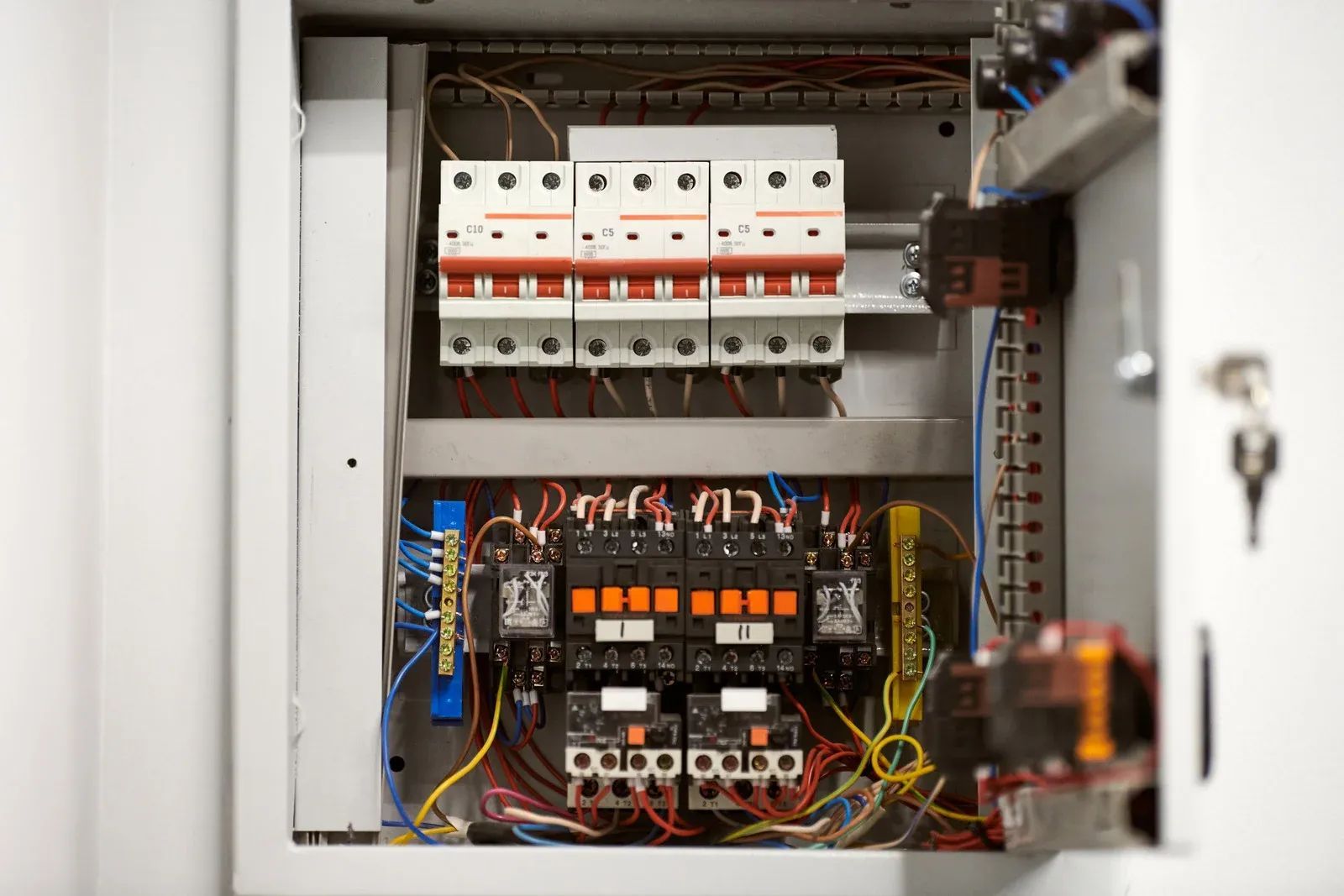
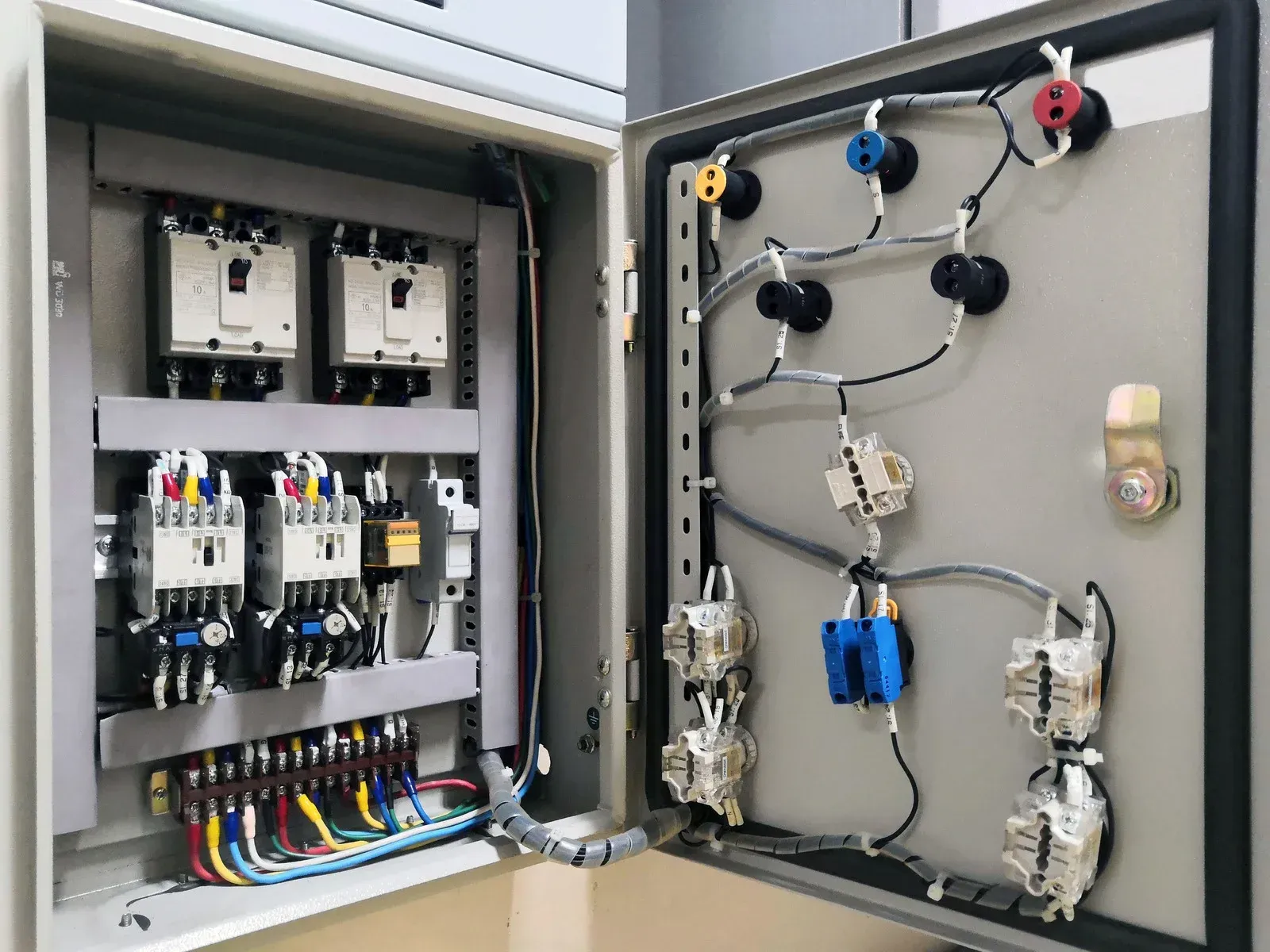
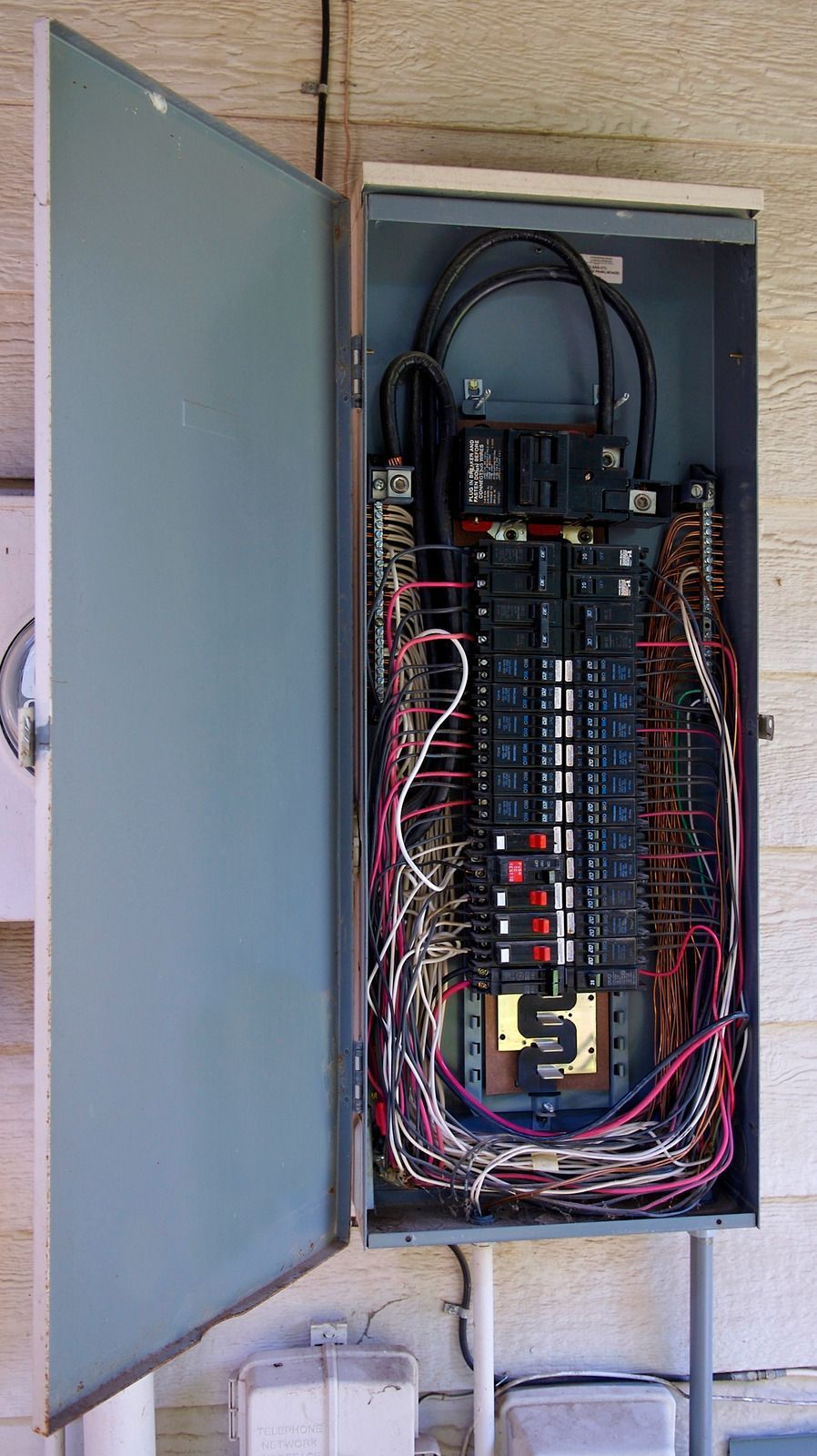
Circuit breakers are designed to protect the home by shutting off power when circuits become overloaded. However, frequent tripping is not normal behavior. In new homes, this often points to poor load distribution or circuits that are not designed to handle modern electrical demands.
Common Causes in New Homes
New homeowners tend to add appliances, entertainment systems, and smart devices without evaluating the system’s capacity. This increased demand can push circuits beyond their limits. In some cases, improperly labeled panels or rushed construction practices may result in incorrect circuit configurations.
Actionable Solutions
We advise mapping out which outlets belong to which breakers and identifying high-load zones. Redistributing electrical usage or upgrading circuits can significantly reduce stress on the system. Addressing this early prevents long-term wear and improves overall efficiency.
3. Warm Outlets and Switch Plates
Heat as a Warning Signal
Outlets and switches should never feel warm to the touch. Heat buildup indicates excessive current flow, loose connections, or deteriorating wiring. This is a critical red flag that many homeowners dismiss during the first year, especially if no immediate malfunction is visible.
Hidden Dangers Behind Walls
Warmth often originates from resistance within wiring connections. Over time, this resistance generates heat, which can degrade insulation and create fire hazards. In newer homes, improper installation or poorly secured terminals are common causes.
Preventive Measures
We recommend regularly checking outlets in high-use areas such as kitchens and living rooms. If warmth is detected, discontinue use immediately and consult a licensed electrician. Early intervention can prevent serious structural and safety risks.
4. Burning Smells and Unusual Odors
Identifying Electrical Odors
A faint burning smell without an obvious source is one of the most serious electrical warning signs. Unlike typical household odors, electrical smells often resemble burning plastic or rubber. These odors indicate overheating components, melting insulation, or damaged wiring.
Why It’s Often Ignored
During the first year in a new home, unfamiliar smells may be attributed to new materials or appliances. This assumption can delay critical action. However, persistent or recurring odors should never be ignored.
Immediate Actions and Safety Protocols
We advise turning off power to the affected area and avoiding use of nearby outlets or switches. Prompt inspection is essential, as electrical fires can develop rapidly. Early detection significantly reduces risk and prevents extensive damage.
5. Buzzing Sounds from Electrical Fixtures
What Noise Reveals About Electrical Health
Electrical systems are designed to operate silently. Buzzing or humming sounds from outlets, switches, or panels indicate loose connections, faulty wiring, or failing components. These sounds may be subtle but are important indicators of underlying issues.
Common Sources of Electrical Noise
Buzzing can originate from dimmer switches, overloaded circuits, or improperly grounded systems. In some cases, it may also signal arcing, where electricity jumps between connections—an extremely dangerous condition.
Long-Term Implications
Ignoring these sounds can lead to progressive damage, increased energy consumption, and potential fire hazards. We recommend treating any unusual noise as a priority issue and seeking professional evaluation to ensure system stability.
6. Limited or Improperly Grounded Outlets
Understanding Grounding Importance
Grounding is a fundamental safety feature that protects against electrical shock and equipment damage. Many homeowners do not verify whether outlets are properly grounded, especially in newly constructed or renovated homes.
Risks of Poor Grounding
Ungrounded outlets can lead to power surges damaging electronics or pose serious safety risks during electrical faults. This issue is particularly concerning in areas with high moisture, such as kitchens and bathrooms.
Practical Recommendations
We suggest using outlet testers to verify grounding and ensuring that critical areas are equipped with ground fault circuit interrupters (GFCIs). Proper grounding enhances safety and ensures compliance with modern electrical standards.
7. High Energy Bills Without Clear Cause
Hidden Inefficiencies in Electrical Systems
An unexplained increase in energy bills is often dismissed as seasonal variation. However, inefficient wiring, outdated components, or faulty circuits can cause excessive energy consumption without obvious signs.
Diagnosing the Problem
Energy inefficiencies may result from current leakage, overloaded systems, or devices drawing more power than necessary due to wiring issues. These problems can remain undetected for months, gradually increasing costs.
Strategic Solutions
We recommend conducting an energy audit to identify inefficiencies. Upgrading outdated components and optimizing electrical distribution can reduce consumption and improve overall system performance.
8. Light Switch Delays or Malfunctions
Delayed Response as a Red Flag
A noticeable delay when turning on lights is more than a minor inconvenience. It often signals wiring resistance, loose connections, or failing switches.
Progressive System Degradation
Over time, these issues can worsen, leading to complete switch failure or increased risk of electrical arcing. This is particularly common in homes where components were installed quickly without thorough testing.
Maintenance and Upgrades
We advise replacing faulty switches promptly and ensuring connections are secure. Addressing small malfunctions early prevents larger system failures and maintains consistent performance.
9. Overuse of Extension Cords and Power Strips
Temporary Solutions Becoming Permanent
New homeowners frequently rely on extension cords and power strips due to insufficient outlet placement. While convenient, this practice can overload circuits and increase fire risk.
Structural Design Limitations
In many homes, outlet placement does not align with modern usage patterns. This leads to excessive reliance on temporary solutions, which are not designed for long-term use.
Safer Alternatives
We recommend installing additional outlets in high-demand areas. This reduces dependency on extension cords and ensures safer, more efficient power distribution.
Trusted Professionals Safeguarding Your Home’s Electrical Integrity
Electrical systems are often out of sight, making it easy to overlook early warning signs during the first year in a new home. However, subtle indicators such as flickering lights, warm outlets, unusual odors, and frequent breaker trips should never be dismissed. These silent red flags provide critical insight into the health and safety of the electrical system. Addressing them promptly not only prevents costly repairs but also protects occupants from potential hazards. Proactive monitoring, routine inspections, and timely upgrades are essential for maintaining a reliable electrical infrastructure.
At Smart Energy Electric Inc, we bring 15 years of hands-on expertise delivering reliable electrical solutions tailored to modern residential needs in Chicago, Illinois. Our approach focuses on identifying hidden electrical issues before they become costly or dangerous, ensuring every home operates safely and efficiently. We understand that many electrical problems remain unnoticed during the first year of homeownership, which is why we emphasize detailed inspections, accurate diagnostics, and long-term solutions rather than temporary fixes.
Our electricians are trained to detect subtle warning signs such as voltage inconsistencies, improper grounding, and circuit overloads that others may overlook. We prioritize safety, code compliance, and energy efficiency in every project, helping homeowners protect both property value and daily comfort. We believe that a safe home starts with a dependable electrical system. Through expert service and a commitment to quality, we help homeowners gain confidence in their electrical infrastructure and avoid the silent risks that often go unnoticed.