Signs You Need a Panel Upgrade Before Your Electrical System Falls Behind
QUICK ANSWER: The clearest signs you need a panel upgrade are breakers that trip over and over, lights that dim when a big appliance starts, warm or discolored outlets, and a panel with no room left for new circuits. Homes built before the 1990s often run on 60 or 100 amps, while most homes today need 200 to keep up. Roughly 39% of homes built before 1960 still have main breakers rated at 100 amps or less. If your panel is a Federal Pacific or Zinsco unit, or a screw-in fuse box, that alone is worth a look from a licensed electrician. A panel evaluation and load calculation tells you whether the box can handle what your home actually pulls.
You flip on the space heater in the back bedroom, the furnace blower kicks on downstairs, and for half a second the kitchen lights dip before they steady out. Your first thought is that it's nothing. A lot of people in older Chicago homes have trained themselves to ignore that little flicker. The panel in the basement is quietly telling you something, though, and it's easier to read those messages before a breaker fails on the coldest night of January.
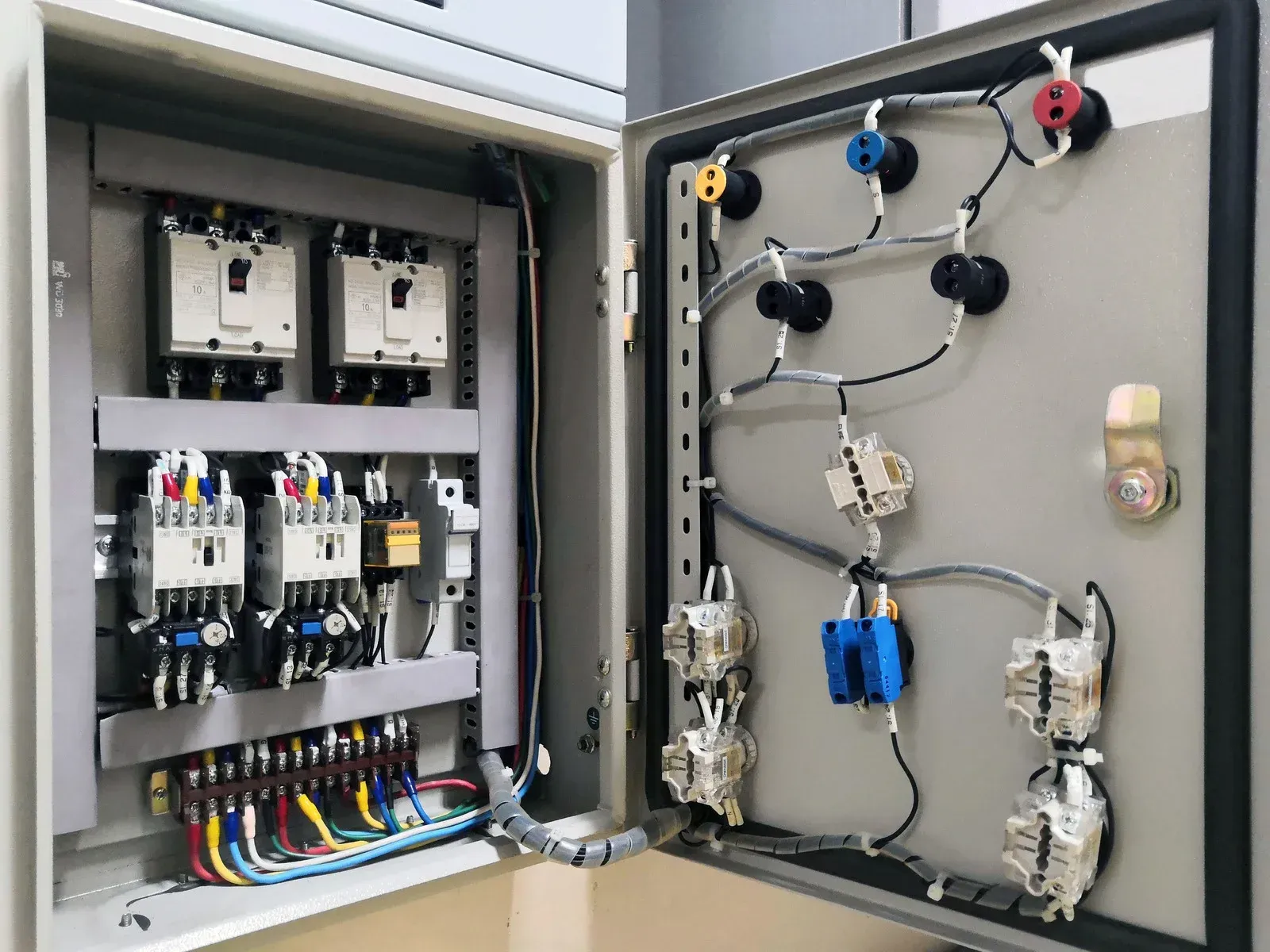
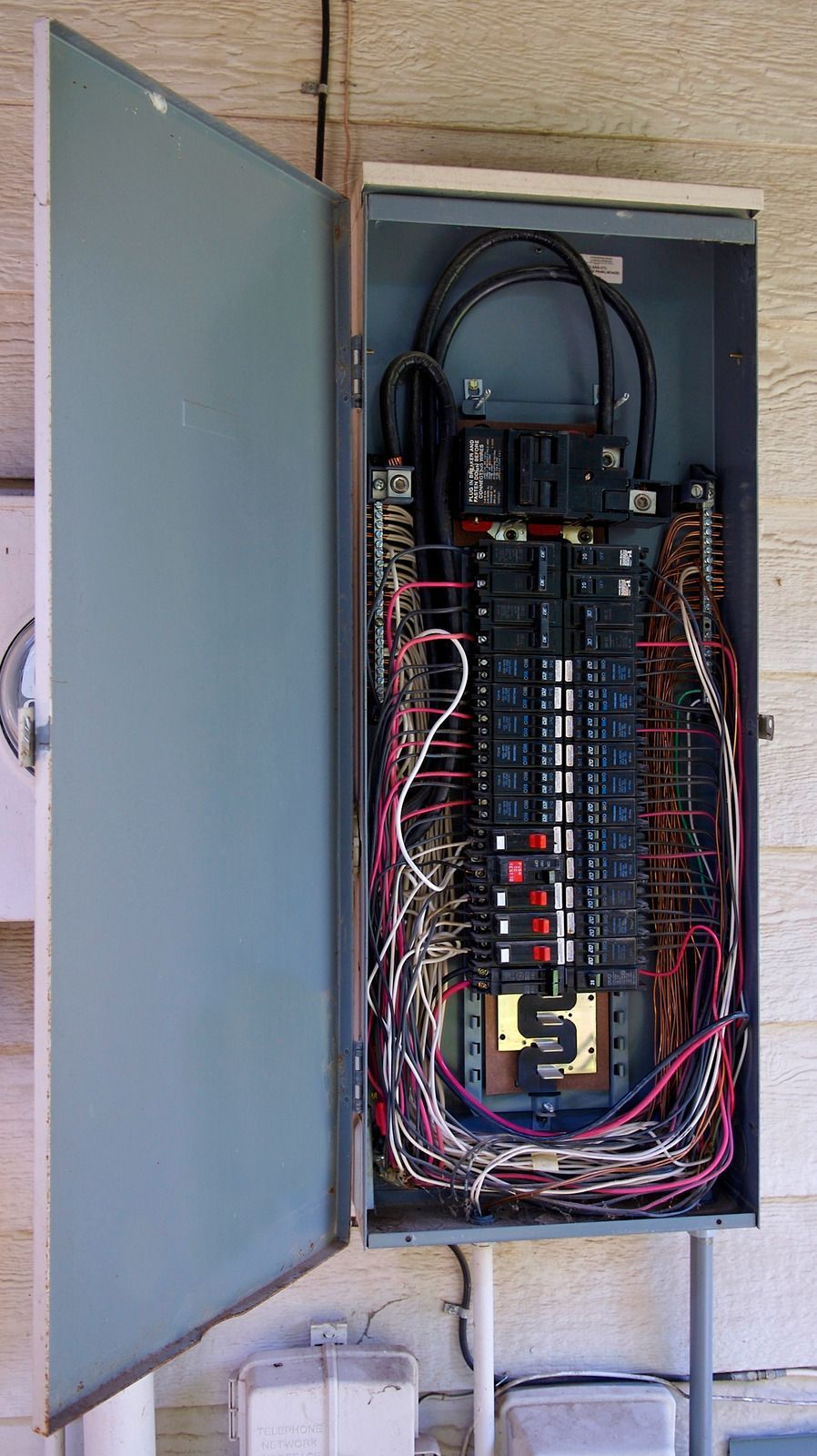
An electrical panel is the traffic cop for every circuit in the house. It splits incoming power and shuts a circuit down when the load gets dangerous. The trouble is that a lot of panels around Chicago and the suburbs were sized for a 1955 kitchen, not a house with a heat pump, a couple of gaming rigs, and an EV charger in the garage. Here's how to tell when yours has fallen behind.
Breakers That Trip and Lights That Dim
Start with the everyday stuff, because that's where the panel speaks first. A breaker trips to protect the wire behind it from overheating. Once in a blue moon, fine. When the same breaker flips every time you run the microwave and the toaster together, the circuit is carrying more than it was built for, and the panel is running out of room to spread the load.
Dimming lights are the second tell. If the living room lights sag when the central air starts, or when the furnace cycles on a cold morning, that's voltage drop. The panel is struggling to feed everything at once. A single dip is easy to shrug off. More than once a week and your panel is waving a flag.
Warm outlets and switch plates
Put your hand flat on an outlet cover that's been in use. It should feel like the wall around it. Warmth, a faint plastic smell, or a light brown stain around the slots points to a loose or overloaded connection, and that heat has to go somewhere.
Buzzing you can hear
A healthy panel is silent. A soft crackle or hum near the breaker box means current is jumping a gap it shouldn't, usually a loose lug or a tired breaker. Sound coming out of an electrical panel is never background noise to live with.
An Old Panel Sized for an Old House
Chicago and its suburbs sit on some of the oldest housing stock in the country. Brick bungalows on the Northwest Side, two-flats in Berwyn and Cicero, prewar homes in Oak Park and Naperville's older grid. Many still run their original service, and that's the heart of the problem.
Older homes were commonly wired for 60, 100, or 150 amps. Most homes built today start at 200. That gap is huge once you add up modern loads. About 39% of homes built before 1960 still have main breakers rated at 100 amps or less, while fewer than 5% of homes built after 2000 came with 100-amp service. The house didn't change, but everything plugged into it did.
Age is its own sign. A panel past 25 years has usually outlived the loads it was designed around, and its breakers wear out with each trip. If you open the door and find rust, flaking metal, or a chalky water stain inside, take that seriously. Moisture and electricity are a bad pair, and a lot of Chicago panels live in damp basements or on an exterior wall that takes the brunt of lake-effect weather.
No room at the inn. Look for two wires jammed under one breaker screw, a trick called double-tapping, or a panel with no empty slots. Both mean your home has asked for more circuits than the box can give. People start reaching for power strips and extension cords, and that maze under the desk is a symptom, not a fix.
TIP:
Find the number stamped on your main breaker, the big switch at the top or bottom of the panel. It'll read 60, 100, 150, or 200. That's your home's power ceiling. If it says 100 or less and you're heating with electric, charging a car, or eyeing a kitchen remodel, you're closer to the ceiling than you think. Read the label only. Leave the cover and the wiring to a licensed electrician.
A fault contained to one breaker almost always points to repair. A fault that has reached the bus bar, the main breaker, or the service entrance is a replacement conversation.
Your Home Is Asking for More Power Than It Was Wired For
The last set of signs isn't about failure. It's about ambition. The house works fine today, but you're about to hand it a job it can't do.
EV charging is the big one around here. A Level 2 charger draws about as much as a whole older kitchen, and the panels in most Aurora and Schaumburg homes from the 1970s simply don't have the free capacity for it. An estimated 35 to 45 million homes across the country may need a service or panel upgrade to support full electrification, and that includes a lot of the housing around Cook and DuPage counties. If you're planning a charger and the electrician keeps circling back to your panel, the panel is the real story.
Big additions and appliances land the same way. A finished basement, a heat pump, an electric range, a tankless water heater, a hot tub off the back deck. Each one pulls serious current, and Chicago winters stack space heaters and furnace blowers on top of everything else right when demand peaks. A panel that coasted through summer can hit its limit in a January cold snap. When you're adding load, a load calculation from a pro tells you whether the box can carry the new circuit or whether it's time to move up to a larger service.
WARNING:
Scorch marks, a hot panel cover, sparks when a breaker resets, or the smell of burning plastic near the box are not signs to research. Kill power to that circuit if you safely can, keep hands off the panel, and get a licensed electrician out fast. Overheating inside a panel can turn into a fire, and electrical failures are tied to tens of thousands of home fires in the U.S. every year.
Older Wiring Behind the Panel
A panel upgrade sometimes uncovers what's feeding it. Homes built before the 1950s may still hide knob-and-tube wiring in the walls, and houses from the mid-1960s and 1970s sometimes ran aluminum branch wiring, which loosens and heats at its connections over time. Neither one shows on the surface, and neither is a reason to panic. It's a reason to have the whole system looked at when the panel gets evaluated, so the new box isn't bolted onto wiring that can't keep up. A good assessment checks the panel, the wiring condition, and the grounding together, not in isolation.
Frequently Asked Questions
How do I know if my electrical panel needs an upgrade or just a repair?
A repair fixes one problem — a bad breaker, loose connection, surface rust. An upgrade fits an undersized, overcrowded panel past 25 years old, or a recalled brand like Federal Pacific. A load calculation confirms which.
What amperage does a modern home actually need?
Most homes today do well on 200 amps, though square footage, heating type, and planned additions matter. Going all-electric with a heat pump and EV charger pushes higher. Older Chicago homes on 60-100 amps often feel the squeeze first.
Can I upgrade the panel without rewiring the whole house?
Often, yes. If existing wiring is sound and passes inspection, the panel swaps without opening walls. Older knob-and-tube or aluminum branch wiring may need rework first. An electrician checks wiring condition during assessment, so there are no surprises.
Is a flickering light always a panel problem?
Not always. A loose bulb or failing fixture can flicker alone. The panel matters when lights across a room or whole house dim together, especially with a large appliance running. That pattern points to voltage drop and overload.
Why do breakers trip more in winter here?
Cold-weather demand piles up. Furnace blowers run longer, space heaters get plugged in, holiday loads land at once. A panel with margin in July can hit its ceiling by January. Frequent winter trips signal a capacity issue, not one bad circuit.
When the Panel Fits the House Again
A panel that matches how you actually live stops being something you think about. The lights hold steady when the furnace cycles, the breakers stay put, and there's room to add the next circuit without a fight. Most older homes around Chicago will reach that point eventually, because the demands keep climbing while the box in the basement stays the same size. Reading the signs early just means you get to choose the timing instead of the panel choosing it for you on a February night.
Book a panel evaluation and load calculation — you get a clear read on your panel's age, capacity, and safety before you add a charger, an addition, or another cold winter. With 15
years of experience, Smart Energy Electric Inc
handles
panel upgrades across Chicago, Illinois and the suburbs with licensed, safety-first work.